What Nobody Tells You Before Buying an Older Home: The Real Cost of 'Character' in Hanover
There's something undeniably appealing about an older home. The mature trees out front, the original hardwood floors, the neighborhood that already has a dog park and a good pizza place on the corner. For a lot of Hanover families, that kind of established charm feels like exactly what they're looking for.
But here's the thing nobody puts in the listing description: older homes carry secrets. And those secrets almost always cost money.
More and more buyers in the Hanover area are running the full numbers—not just the mortgage, but the real numbers—and what they're finding is shifting the conversation around new construction in a pretty significant way.
The Inspection Says "Minor Issues." Your Wallet Disagrees.
Let's start with the home inspection. For most buyers, passing inspection feels like crossing the finish line. But experienced homeowners will tell you that inspections are more like a highlight reel than a full documentary.
Inspectors flag what they can see. They can't see inside walls, under slabs, or inside aging HVAC systems that technically still turn on. According to data from the National Association of Home Builders, owners of homes built before 1980 spend an average of 1–4% of their home's value on maintenance and repairs annually. On a $350,000 home, that's anywhere from $3,500 to $14,000 every single year.
For a young family already stretched between a mortgage, childcare, and the general chaos of raising kids, that's not just a financial hit—it's a stress multiplier.
Common surprises that Hanover buyers have encountered in older homes include:
- Outdated electrical panels that can't handle modern appliances or, worse, pose fire risks
- Galvanized or polybutylene plumbing that looks fine until it doesn't
- Insufficient insulation that drives up energy bills year-round
- Foundation settling that leads to doors that won't close and floors that slope just enough to make you feel like you're going slightly crazy
- Roof systems approaching the end of their lifespan, often discovered right after closing
None of these are dealbreakers on their own. But together? They add up fast.
The Renovation Trap: When "We'll Just Fix It Up" Becomes a Two-Year Project
Maybe you knew the kitchen needed work going in. You budgeted $25,000, found a contractor, and figured you'd be cooking in your new space by spring.
And then the contractor opened up the walls.
This is a story Hanover families know well. Renovation projects in older homes have a frustrating tendency to expand the moment work begins. Outdated wiring discovered behind tile. Mold hiding under subfloor. Structural issues that weren't visible until a load-bearing wall came down. Every one of those discoveries adds time, money, and an enormous amount of emotional wear.
One Hanover-area homeowner, who bought a 1960s ranch home with her husband two years ago, put it bluntly: "We thought we were buying a project. We didn't realize the project was buying us. We've been living in a construction zone for 18 months and we're still not done. Our kids are sleeping in the same room. It's not what we planned."
That's not an unusual story. It's just an honest one.
What New Construction Actually Gives You (Beyond the Obvious)
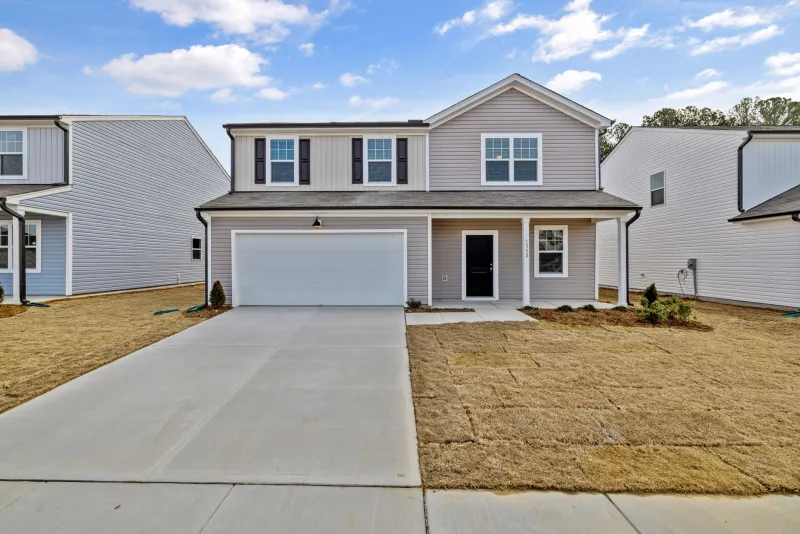
The case for new construction isn't just about shiny appliances and fresh paint. It's about something harder to put a dollar value on: predictability.
When you move into a newly built home, you know what you have. Everything is under warranty. The roof isn't 18 years old. The HVAC wasn't installed during a different presidential administration. The electrical panel was designed for the way people actually live today.
For families in Hanover, that predictability translates into something real:
- No surprise repair bills in year one, two, or three
- Lower utility costs thanks to modern energy efficiency standards
- Builder warranties that cover structural components, systems, and workmanship
- Code compliance that reflects current safety standards, not those from decades ago
- A home designed around how families live now—open layouts, dedicated home office space, mudrooms that actually function
New construction also eliminates the negotiation fatigue that comes with older homes. There's no back-and-forth over who pays for the roof. No seller credits that barely cover what needs to be done. The price is the price, and what you see is what you get.
The Emotional Ledger Matters Too
It's easy to focus on dollars and square footage, but there's a less-discussed cost to buying a home that needs work: the emotional toll.
Young families are already navigating a lot. New jobs, growing kids, aging parents, the everyday logistics of just keeping a household running. Adding a major renovation—or a series of unexpected repairs—into that mix puts real pressure on relationships and mental health.
Financial stress is consistently cited as one of the top sources of conflict in marriages. Unexpected home repair costs rank among the leading contributors to that stress. That's not a small thing.
Families who choose new construction often describe the experience differently. One couple who recently built in a Hanover community said it this way: "We wanted to start our life here, not spend the first few years fixing someone else's problems. Moving in and just... living? That was worth everything to us."
There's a version of homeownership where the house works for your family from day one. That version is more available than a lot of buyers realize.
Running the Full Numbers Before You Decide
If you're weighing an older home against new construction, here's a simple exercise worth doing before you make any decisions:
- Take the asking price of the resale home and add an estimated 2% annually for maintenance over five years.
- Factor in any known repairs flagged during inspection, plus a 20–30% contingency for what inspectors miss.
- Price out your wish-list renovations with at least two contractor quotes—then add 25% for the inevitable surprises.
- Compare that total against the all-in cost of a new build in a comparable location.
For a lot of Hanover families, that math lands closer than they expected. Sometimes it lands in favor of new construction outright.
The Bottom Line
Older homes aren't inherently bad investments, and there are absolutely situations where a resale property makes sense. But the decision deserves more than a gut feeling about crown molding and mature landscaping.
The families building in Hanover today aren't choosing new construction because they don't appreciate character. They're choosing it because they've done the math, heard the stories, and decided that peace of mind is worth building into the foundation.
And honestly? A home where nothing breaks in year one has plenty of character all on its own.