More Than Houses: How Responsible Residential Development Is Reshaping Hanover's Future
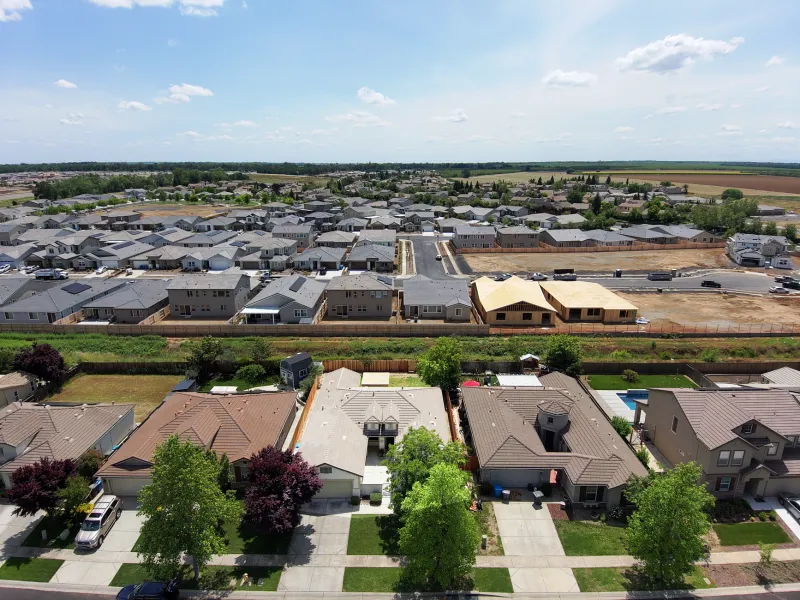
There's a version of residential development that communities dread — sprawling subdivisions that strain local infrastructure, overwhelm school systems, and erase the character of the places people chose to live in the first place. It's a legitimate concern, and it's shaped decades of zoning debates in small towns across America.
But there's another version of this story, and it's the one playing out in the Hanover area right now. When development is done thoughtfully — with genuine investment in the community's long-term wellbeing rather than just the bottom line — the effects ripple outward in ways that benefit residents old and new alike. Understanding that distinction matters, especially for a region in the middle of a meaningful growth period.
The Economics of New Housing: More Than Meets the Eye
The most immediate and measurable impact of new residential development is fiscal. Every new home added to a community's tax rolls generates property tax revenue that funds local services — roads, parks, emergency services, and perhaps most critically, public schools.
In small communities where the tax base has stagnated, this injection of revenue can be transformative. New homes mean more taxpayers sharing the cost of infrastructure that already exists, which can actually reduce the per-household burden on long-time residents. It's a counterintuitive point that often gets lost in the noise of development debates: done right, growth can make a community more affordable for the people already living there.
The Hanover area has seen this dynamic play out in real time. As new residential communities have come online over the past several years, local government coffers have grown, enabling investments in public amenities that were previously out of reach. That's not a coincidence — it's the direct result of calculated, quality-focused development.
School Enrollment, Services, and the Infrastructure Feedback Loop
Population growth creates demand, and demand drives investment. When families move into a community, they need schools, pediatricians, grocery stores, restaurants, and recreational facilities. Meeting that demand requires businesses and institutions to expand or establish themselves in the area — and that expansion creates jobs, attracts further investment, and raises the overall quality of life for everyone in the region.
This feedback loop is one of the most powerful forces in community development, and it's particularly visible in growing areas like Hanover. New elementary schools get built or expanded. Medical practices open satellite offices closer to where patients live. Retail corridors that were once sparse start filling in with the kinds of businesses that make everyday life more convenient.
The key variable is quality. When new residents are families — people with children in local schools, stakes in the community's long-term health, and investment in their neighbors' wellbeing — the kind of growth they generate tends to be sustainable. At Hanover Family Builders, our focus on family-oriented residential communities isn't just a marketing angle. It reflects a genuine belief that the families we build homes for are exactly the kind of new residents who make communities stronger.
Job Creation: The Construction Phase and Beyond
The economic impact of residential development doesn't begin when families move in — it starts the moment ground breaks. Construction projects of meaningful scale employ local tradespeople: framers, electricians, plumbers, roofers, finish carpenters, landscapers, and dozens of other skilled workers whose paychecks get spent in the local economy.
A mid-sized residential development can generate hundreds of jobs during the construction phase alone, many of them going to workers who live in the surrounding region. Those wages support local businesses, fund local tax revenues, and contribute to the kind of economic vitality that helps communities weather downturns.
Once construction wraps up, the jobs don't disappear — they evolve. New residents need services. New businesses hire staff. The school district adds teachers. The fire department expands its roster. The economic activity generated by a thoughtfully developed residential community continues generating employment long after the last nail is driven.
For Hanover, this has meant a measurable expansion of the local workforce across multiple sectors. That kind of broad-based economic growth is more durable than any single industry, and it starts with the decision to build quality homes for quality families.
Neighborhood Identity: The Intangible That Matters Most
Numbers tell part of the story, but they don't capture everything. Some of the most important effects of responsible residential development are harder to quantify — things like neighborhood pride, community cohesion, and the sense of shared identity that emerges when people put down roots together.
New developments, when designed with community in mind, create the conditions for these intangible goods to flourish. Sidewalks and trails that encourage neighbors to encounter each other. Common green spaces where kids play and parents linger. Community layouts that feel like neighborhoods rather than collections of houses.
At Hanover Family Builders, we've watched this happen in communities we've developed from scratch. Neighbors who moved in as strangers become close friends. Block parties get organized. Informal networks form around schools, youth sports, and shared concerns. The physical infrastructure we build becomes the backdrop for genuine community — and that community, once formed, becomes one of the most compelling reasons for the next family to choose the area.
This is the compounding effect of intentional development: each successful community makes the next one more attractive, which draws more families, which strengthens the region further. It's a virtuous cycle, and Hanover is in the middle of one right now.
The Responsibility That Comes With Growth
None of this happens automatically. Growth without intention produces the development horror stories that have rightfully made communities cautious about welcoming new construction. The difference between growth that strengthens a community and growth that strains it comes down to the values and practices of the builders doing the work.
Responsible development means engaging with existing residents rather than steamrolling their concerns. It means building to a standard that reflects pride in craft, not just speed to market. It means thinking about traffic patterns, drainage, green space, and the visual character of the neighborhoods being created. And it means recognizing that the families moving into new homes are neighbors — not just customers — who deserve a community worth belonging to.
That's the standard we hold ourselves to at Hanover Family Builders. Not because it's required, but because we live and work in this region too. Hanover's future is our future. The communities we build today are the neighborhoods our own kids will grow up around. That kind of accountability changes how you approach the work.
The growth happening in Hanover right now is an opportunity — one that, handled well, will strengthen this region for generations. We're committed to making sure it's handled well.