Spend Smart, Sell High: Which Home Upgrades Actually Pay Off in Hanover
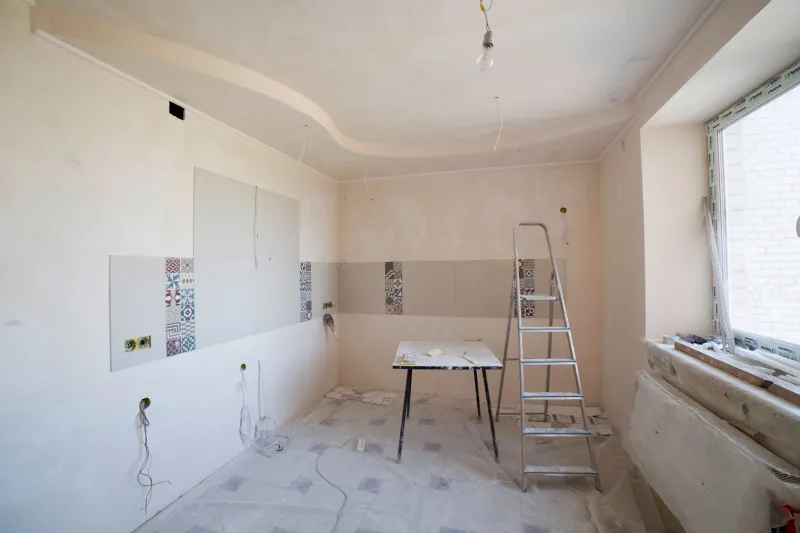
There's a version of home improvement that feels great in the moment and pays you back handsomely when it's time to sell. Then there's the other version — the one where you drop $40,000 on a project and your agent gently explains that buyers aren't really factoring it into their offers. In Hanover's residential market, understanding the difference between those two scenarios isn't just useful. It's the foundation of real equity-building strategy.
We sat down with local contractors, real estate professionals, and a few homeowners who've been through the process to map out where renovation dollars actually go the furthest — and where they tend to disappear.
Why Hanover's Market Changes the Math
National renovation ROI data is a decent starting point, but it has real limits when you're working with a specific community like Hanover. Buyer expectations here are shaped by the neighborhood mix, the school districts, the style of homes that dominate local inventory, and what competing listings look like on any given weekend.
"What sells in Hanover isn't always what sells in a major metro," says one local real estate agent who has worked the area for over a decade. "Families here are practical. They want move-in ready. They want functional. Flashy doesn't always win."
That practical orientation is actually good news for homeowners thinking strategically. It means the highest-ROI improvements tend to be the ones that remove friction from the buying decision — not the ones that make the home look like a magazine spread.
The Consistent Winners: What Agents and Contractors Agree On
Kitchen Updates (Moderate, Not Full Gut Renovations)
A full kitchen remodel in Hanover can run $60,000 to $100,000 or more depending on finishes and layout changes. The uncomfortable truth? You're unlikely to recoup that fully in resale value. What does work — consistently — is a targeted refresh. New cabinet hardware, updated countertops, a modern backsplash, and energy-efficient appliances can transform a dated kitchen for $15,000 to $25,000 and deliver a return in the 70–80% range according to local agents.
Buyers notice kitchens immediately. But they're also doing the mental math on what they'd have to spend to fix things. Give them a kitchen that feels updated without being over-improved for the neighborhood, and you've removed a major objection.
Bathroom Renovations — First Floor and Primary Suite
Similar logic applies to bathrooms. A mid-range primary bath update — think new vanity, fresh tile, updated fixtures, and better lighting — tends to return well in Hanover because families prioritize these spaces heavily. One local contractor noted that bathroom projects in the $8,000 to $18,000 range consistently generate positive feedback from listing agents and move quickly at market.
Avoid going overboard on luxury finishes unless the rest of the home supports that price point. A $30,000 spa bathroom in a $350,000 home is a mismatch that buyers can feel, even if they can't articulate why.
Curb Appeal and Exterior Work
This one surprises some homeowners, but local real estate professionals are unanimous: exterior improvements punch well above their weight in Hanover. Fresh paint or siding, a new front door, updated landscaping, and clean gutters can cost relatively little and shift buyer perception dramatically before they even walk inside.
"First impressions in this market are everything," one agent told us. "If a family pulls up and the outside looks tired, they're already negotiating in their heads before they see a single room."
A new garage door alone — typically $1,500 to $3,500 installed — routinely ranks among the highest-percentage returns of any single improvement nationally, and Hanover is no exception.
The Money Pits: Where Homeowners Overspend
Swimming Pools
Pools are a polarizing topic. Some buyers love them; many others see them as a liability — insurance costs, maintenance, safety concerns with young kids. In Hanover's climate, where swimming season is genuinely limited, a pool installation rarely adds equivalent value to what it costs. If you're building one for your own enjoyment, great. Just don't expect it to show up as a line item in your sale price.
Hyper-Personalized Finishes
Custom built-ins, bold wallpaper, specialty tile, or any finish that reflects a very specific aesthetic taste can actually work against you at resale. Buyers mentally add the cost of reversing those choices to their offer calculation. Neutrals and broadly appealing finishes aren't boring — they're strategic.
Over-Improving for the Street
This is the mistake that stings the most. If your home is in a neighborhood where comparable sales are landing at $375,000, pouring $80,000 into renovations won't push your sale price to $455,000. The neighborhood sets a ceiling. Local appraisers know the comps, and buyers have access to the same data. Improvements should bring your home up to neighborhood standards — not past them.
The Underrated Plays: Improvements That Don't Get Enough Credit
Energy Efficiency Upgrades
Hanover families are increasingly cost-conscious about utilities, and improvements like attic insulation, HVAC upgrades, and energy-efficient windows are gaining traction as genuine value-adds. They're not glamorous, but they show up in utility disclosures and resonate with buyers who are thinking about long-term ownership costs.
Fresh Interior Paint and Flooring
Simple. Relatively inexpensive. Wildly effective. A home with fresh neutral paint and clean, consistent flooring throughout reads as well-maintained — which is exactly what move-in-ready buyers are looking for. Agents consistently recommend these two items as the highest-leverage improvements before listing.
Timing and Sequencing Matter
One thing that often gets overlooked: when you make improvements matters as much as what you improve. Renovating five years before you sell gives you time to actually enjoy the upgrades and spread the cost over time. Renovating six months before listing is a different calculation — you want high-visibility, fast-turnaround projects that move the needle without disrupting your life.
Talking to a local real estate agent before you start any significant project is worth the conversation. Most will give you a candid read on what buyers in your specific neighborhood are actually responding to right now — not what was trending two years ago.
Building Equity the Right Way in Hanover
The homeowners in Hanover who build the most equity aren't necessarily the ones who spend the most on renovations. They're the ones who spend intentionally — targeting improvements that align with what local buyers want, staying within the value ceiling of their neighborhood, and keeping their eye on the long game.
At Hanover Family Builders, we believe that a well-maintained, thoughtfully updated home is one of the strongest financial assets a family can hold. The equity equation isn't complicated. It just requires a little local knowledge and the discipline to invest where it actually counts.