Already Rooted: The Quiet Advantages of Buying Into Hanover's Established Neighborhoods
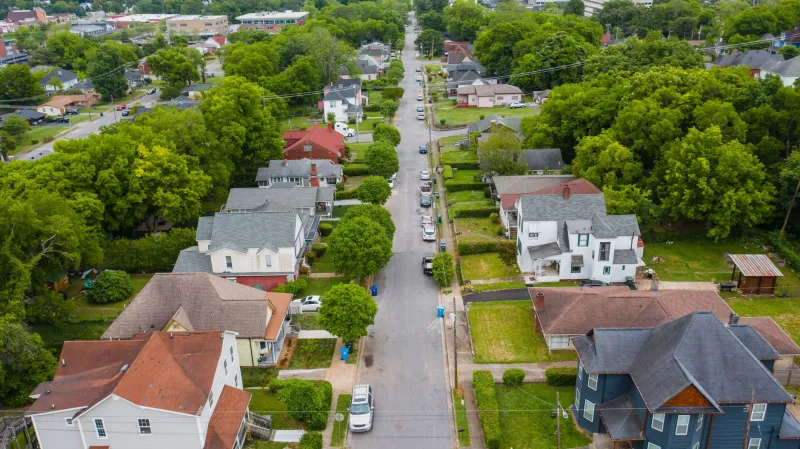
There's a certain kind of excitement that comes with a brand-new subdivision. Fresh asphalt, model homes dressed up with staged furniture, and that "get in early" energy that makes you feel like you're part of something. We get it. But once the newness wears off—and it always does—families who chose Hanover's established neighborhoods tend to feel like they got the better deal. Not in a smug way. Just in a we-didn't-have-to-wait-five-years-for-a-coffee-shop kind of way.
If you're weighing your options in the Hanover area right now, here's what the shiny new development brochures aren't telling you.
You're Not Buying a House—You're Buying Into a Community
This might sound like a tagline, but it's genuinely true in a way that new construction buyers sometimes don't realize until they're living it. In an established Hanover neighborhood, the social infrastructure is already there. Neighbors have been swapping lawnmowers, organizing Halloween block parties, and keeping an informal eye on each other's homes for years. You're not starting from scratch—you're joining something that already works.
New subdivisions, by contrast, are a bit like a first day of school where everyone's new. That can be fun, but it takes time for genuine community bonds to form. Some subdivisions never quite get there, especially if there's high turnover in the early years while families figure out if the area is really right for them.
In established Hanover neighborhoods, that sorting process is long over. The people who stayed, stayed because they wanted to. That's a meaningful signal.
The School Performance Question Has Already Been Answered
One of the biggest unknowns with a brand-new development is the school question. Sure, the zoning map says your kids will attend a particular school—but how does that school actually perform? What's the teacher retention rate? How's the extracurricular program? Those answers take years to materialize in areas where the student population is still growing.
In Hanover's established neighborhoods, you can look up years of performance data, talk to parents who've been in the system for a decade, and even visit schools that have track records rather than projections. That's not a small thing when you're making a 30-year financial commitment partly based on where your kids will spend their formative years.
Local families who've bought in established areas consistently mention this as one of the factors they're most relieved about in hindsight. The school didn't just seem good on paper—it was proven.
Mature Landscaping Is Worth More Than You Think
This one surprises people. A 40-foot oak tree in your backyard isn't just pretty—it's a genuine financial asset and a functional one. Mature trees reduce cooling costs by providing shade, increase property values (studies consistently show trees add measurable value to residential properties), and create the kind of leafy, established streetscape that makes a neighborhood feel like a neighborhood rather than a construction site with houses in it.
In a brand-new development, you're planting saplings and waiting. The landscaping in the brochure? That's a decade away, minimum. In Hanover's established areas, you get all of that on day one. The yards are grown in. The hedges are shaped. The sidewalks have character.
It sounds small, but spend five minutes walking through a mature neighborhood versus a new subdivision, and you'll feel the difference immediately.
Appreciation Patterns Tell an Interesting Story
Here's where things get genuinely financial. New developments often see a burst of appreciation in the early years as the area builds out and amenities arrive. That can be great for early buyers—if everything goes according to plan. But appreciation in new subdivisions can also stall if development slows, if the commercial build-out takes longer than expected, or if the initial pricing was aggressive.
Established Hanover neighborhoods tend to show steadier, more predictable appreciation. The variables are smaller. The comps are plentiful. Buyers and appraisers have years of data to work with, which means pricing is more accurate and less speculative. For families who aren't looking to flip a house but instead want to build wealth steadily over 10 to 20 years, that kind of stability is genuinely valuable.
It also means your home is easier to sell when the time comes. Lenders, appraisers, and buyers all have more confidence in established areas where the market history is clear.
You Move In Ready—Not Waiting
One of the more underappreciated aspects of buying in an established neighborhood is the simple fact that everything is already there. Roads are paved and finished. Utilities are fully operational. Nearby grocery stores, restaurants, parks, and services exist right now—not in the "Phase 3" timeline.
Families with kids especially feel this. You don't want to be navigating construction traffic on your way to soccer practice. You don't want to wait two years for a playground to open. Life doesn't pause while a development catches up to its own promises.
In Hanover's established neighborhoods, the infrastructure has been tested and refined. The parks are worn in the good way—from actual use. The roads know where they're going.
What You Give Up (And Whether It Matters)
Fair is fair—there are trade-offs. Established homes may need updates. You're not getting brand-new appliances, fresh flooring, or the latest in energy-efficient windows as standard. Some buyers want that new-home warranty and the peace of mind that nothing major is going to break in year one.
Those are legitimate concerns, and we're not here to dismiss them. But it's worth putting them in perspective. A well-maintained home in an established Hanover neighborhood often needs less than buyers expect—and the cost of targeted updates is typically far less than the premium you'd pay for new construction. Plus, you get to choose the updates that matter to your family rather than inheriting a builder's standard package.
The key is doing your due diligence: a solid inspection, a clear-eyed look at the home's maintenance history, and honest conversations with neighbors about what living there is actually like.
The Bottom Line for Hanover Families
If you're a family thinking about where to plant roots in the Hanover area, the established neighborhood conversation deserves more airtime than it usually gets. The marketing dollars flow toward new construction, but the lived experience often favors the places that have already done the hard work of becoming real communities.
Mature trees. Proven schools. Stable appreciation. Neighbors who already know each other's names. That's not a consolation prize for missing out on the new development—it's a genuinely different value proposition, and for a lot of families, it's the better one.
At Hanover Family Builders, we believe in helping families find the right fit—whether that's a new build or a neighborhood that's been welcoming families for generations. If you're curious about what's available in Hanover's established areas, we'd love to help you take a closer look.