Not Too Old, Not Too New: Why Hanover's 10-to-15-Year-Old Homes Hit the Family Sweet Spot
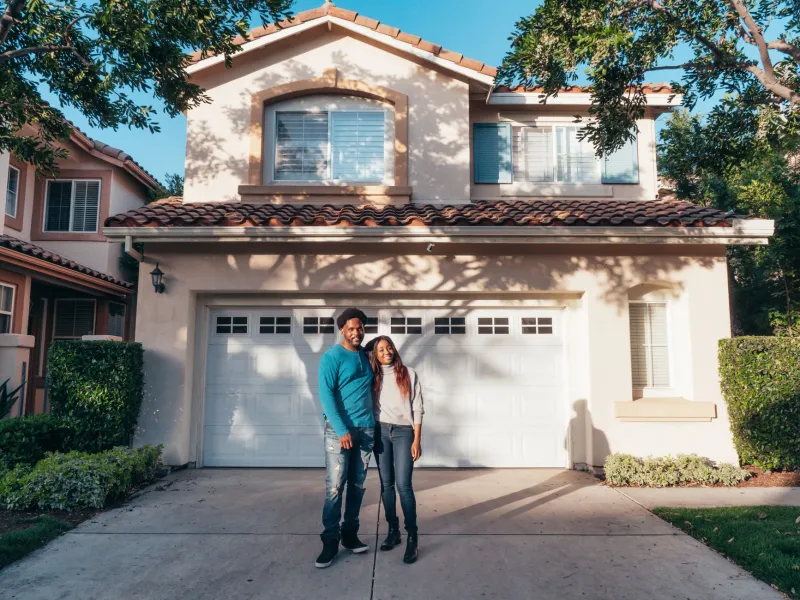
Every homebuyer eventually faces a version of the same dilemma: do you go older and cheaper but risk a money pit, or do you go brand new and stretch the budget to its absolute limit? For a lot of young families in Hanover, both of those options come with real tradeoffs — and honestly, neither feels quite right.
But there's a third option that doesn't get nearly enough attention: homes built roughly 10 to 15 years ago, during Hanover's residential development surge in the early-to-mid 2010s. These properties sit in a genuinely sweet spot — modern enough to sidestep major repair headaches, seasoned enough to come with established communities and mature trees, and priced noticeably below what you'd pay for new construction today.
Let's break down exactly why this age range keeps coming up in conversations with local buyers and real estate professionals alike.
The Renovation Math Actually Works in Your Favor
One of the biggest hidden costs of buying an older home — say, something built before 2000 — is everything you don't see on the inspection report until it's too late. Aging electrical panels, outdated plumbing, original HVAC systems limping toward the end of their lifespan. These aren't deal-breakers on their own, but they add up fast, and they tend to surface right when you're already stretched thin from closing costs and moving expenses.
Homes built in the 2010s largely avoid that trap. Roofs are typically still within their serviceable lifespan. Appliances and mechanicals have years of life left. Building codes from that era also meant better insulation standards and more energy-efficient construction overall — which shows up as lower utility bills month after month.
That doesn't mean these homes are maintenance-free. But the difference between "routine upkeep" and "surprise $15,000 HVAC replacement" is significant, especially for a family trying to build financial stability.
Neighborhoods That Have Grown Up With the Houses
Here's something new construction genuinely can't offer: a neighborhood with history. When you buy into a development that's been occupied for a decade or more, you're getting something that takes time to develop — sidewalks with foot traffic, neighbors who know each other, schools with established reputations, and yes, actual trees.
That last point sounds minor until you've toured a brand-new subdivision where every yard looks like a freshly mowed field with a sapling stuck in the middle. Mature landscaping isn't just aesthetically pleasing — it adds measurable value to a property and creates the kind of shaded, livable outdoor space that families actually use.
Hanover's development activity from around 2009 to 2015 produced a number of residential communities that have since grown into exactly the kind of neighborhoods young families are looking for. Playgrounds have seen real use. HOAs (where they exist) have worked out their growing pains. The community fabric is there.
What the Appreciation Numbers Are Saying
Real estate professionals working the Hanover market have noticed a consistent pattern: homes in that 10-to-15-year age bracket tend to hold their value reliably and appreciate steadily — often outperforming both older homes (which can be dragged down by deferred maintenance and dated layouts) and brand-new builds (which carry a premium that can be difficult to recoup quickly).
The logic isn't complicated. Buyers in this segment get a home that's already proven it can weather market fluctuations, in a neighborhood where demand has been established. There's no guesswork about whether the surrounding area will develop well — it already has.
For families thinking about their five-to-ten-year horizon, that kind of predictability matters. You're not gambling on a new development coming together the way the brochure promised. You're buying into something real.
The Price Gap Is Real — and It's Meaningful
New construction in Hanover today comes with a significant premium. You're paying for the latest finishes, the builder's warranty, and the appeal of being the first person to live in the space. Those things have value. But for a family working with a realistic budget, the price difference between a 2012 build and a 2024 build can easily run into the tens of thousands of dollars — sometimes more.
That gap doesn't disappear; it just gets redirected. Buyers who choose the slightly older home often find themselves with meaningful room to negotiate on price, extra budget for personalized updates, or simply a lower monthly payment that gives the family more breathing room.
And unlike buying a fixer-upper where you're funding someone else's deferred decisions, updates in a 10-to-15-year-old home tend to be elective improvements — a kitchen refresh, new flooring, fresh paint — rather than emergency repairs.
What to Watch For When Shopping This Segment
This age range isn't without its considerations. A few things worth keeping an eye on:
- Original appliances: Some may be reaching the end of their typical lifespan. It's worth knowing what's been replaced and what hasn't.
- Exterior materials: Depending on the builder and the specific development, some components from this era — certain composite materials, for example — may need attention sooner than others.
- HOA health: If the community has an HOA, request documentation on the reserve fund. A well-run HOA from this era should have solid reserves by now.
- Layout preferences: Open-concept design was already the norm by 2010, but some earlier builds in this window may feel slightly more compartmentalized than today's new construction. That's a personal preference call.
A thorough home inspection from a qualified local inspector is always the right move, but it's especially valuable here — you want to understand exactly where the home sits in its maintenance lifecycle before you commit.
The Bottom Line for Hanover Families
There's no universally perfect home purchase. But for young families in Hanover who are trying to balance budget, quality of life, and long-term financial sense, the 10-to-15-year-old home category deserves a serious look — maybe even the first look.
You get the structural and mechanical reliability of modern construction without the sticker shock of buying new. You get an established community without inheriting a decades-long list of deferred repairs. And you get a property with a track record, in a neighborhood that's already shown what it's going to be.
That's not settling. That's smart buying.